Over the past few months, Surfrider has been an active participant in a committee formed by Supervisor Foley with the goal of reducing the use of herbicides in county-managed land and waterways. The committee includes representatives from Supervisor Foley's Office, Orange County Public Works, California State Parks, Acjachemen Nation, Orange County Coastkeeper, OC Creek Team, Toxic Free OC, OC Native Plant Society, Laguna Canyon Foundation, Irvine Ranch Conservancy, & Rancho Mission Viejo.
Surfrider is a member of the subcommittee to guide the first-year pilot project of managing vegetation in San Juan & Lower Trabuco Creeks without herbicides, with the goal of balancing ecological protection with safe stormwater conveyance.
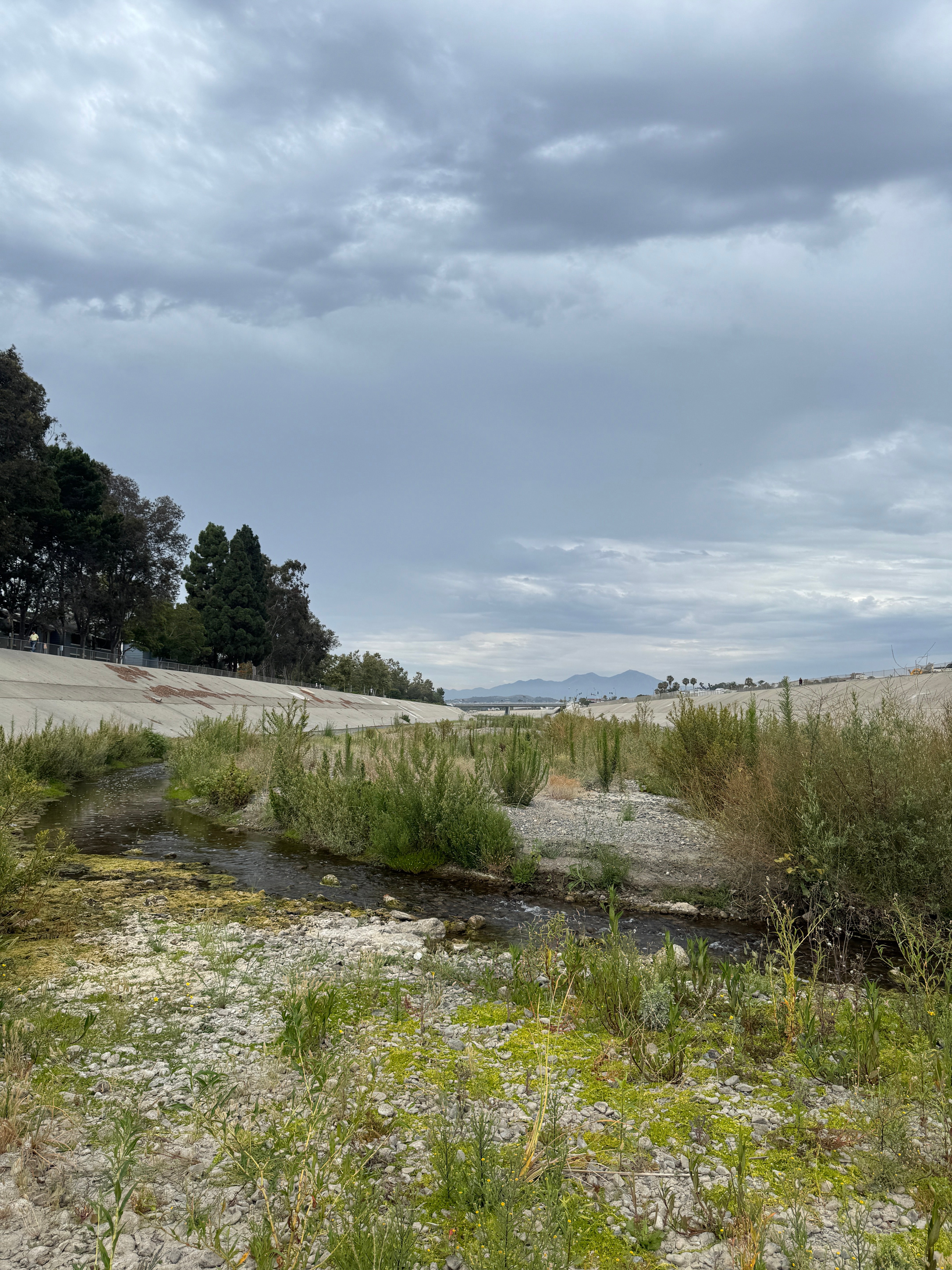
The creek vegetation has been untouched since herbicide applications halted this spring, and passersby are sure to notice the regrowth of vegetation in the creeks. In preparation for El Niño-fueled storms expected this fall and winter, OCPW developed an herbicide-free work plan to manage the creek vegetation.
OCPW's initial proposal included cutting down all creek vegetation with handheld power tools. While this would have eliminated herbicide use (yay!), it would have removed all plants regardless of species (boo!).
CA Fish & Wildlife (CDFW) halted the work before it began following concerns raised by community members. After extensive discussions with the pilot project committee & regulators, OCPW has improved its work plan, set to begin next week.
Fall 2026 Creek Vegetation Management Plan
Work will begin Sept 30th and last about 4 weeks.
Phase 1: Crews will trim both non-native and native woody shrubs & trees to ground level.
Phase 2: Non-native herbaceous (soft) plants will be trimmed & removed if time allows.
- All cut material will be removed from the creek.
- Herbaceous (soft) native plants will NOT be trimmed or removed. No plants in the water will be trimmed or removed.
- A biologist from CDFW, OCPW, or a contractor will be with each crew.
- Crews will stay out of the water to protect endangered steelhead & other fish.
- No major digging or earth moving.
- No work in the “Coastal Zone” that is regulated by the Coastal Commission.
The Fall 2026 plan is not perfect, but we are moving in the right direction. In Spring 2027, we hope to:
- Keep as many native plants & trees intact as possible. Drone surveys & channel capacity data will inform management decisions.
- Remove invasive plants before they spread. Target invasive species before they go to seed.
- Launch community stewardship workdays! We want the community to get involved in caring for the creeks by removing invasive plants and debris.
Frequently Asked Questions
Why cut or remove plants in the creek at all?
OCPW is responsible for maintaining the creek as a storm drain channel, which moves water from upstream neighborhoods to the ocean during rain events.
OCPW is concerned about potential flooding during El Niño-fueled storms this fall and winter. They are prioritizing the removal of large, woody vegetation that poses the greatest threat to stormwater conveyance. There are also non-native, invasive plants that need to be removed to prevent them from spreading.
Flood protection and public safety are important, but we still lack data about how much water the creek can hold and how much vegetation can remain without impacting stormwater conveyance. The updated work plan balances the need to ensure effective stormwater conveyance while protecting native riparian habitat.
What are the benefits of native plants in the creek?
Before they became stormwater channels, these creeks were home to native plants that created riparian habitats.
Native plants support a resilient ecosystem and protect water quality by:
- naturally filtering nutrient, bacteria, & heavy metal pollutants
- providing habitat for birds, pollinators, and fish, including the endangered steelhead
- reducing erosion in the stream bank
- shading & cooling water
Native plants hold cultural significance for the native peoples of the Acjachemen Nation, and preserving them enhances access to nature for all.
What are the environmental impacts of pesticide and herbicide use?
Learn all about the impacts of pesticides and herbicides in this Beachapedia article!

 As Ocean Friendly Gardens Manager, Kathryn is passionate about advocating for watershed protection through gardens and landscapes. She graduated from UC Santa Cruz with a B.S. in Marine Biology, and developed a love for California native plants and restoration work during her time at the Los Cerritos Wetlands in Long Beach.
 As Southern California Regional Manager, Michaela supports the six chapters between Los Angeles and San Diego in implementing their community-based programs and policy campaigns. She earned a master's degree in Conservation and Restoration Science from UC Irvine.